
 بله
بله
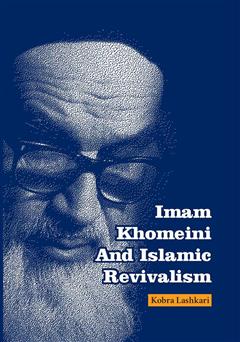
کتاب Imam Khomeini And Islamic Revivalism (امام خمینی و احیاگرایی اسلامی) نوشتهی کبری لشکری، نقش امام خمینی (ره) بر بیداری اسلام را مورد بررسی قرار میدهد.
جهانی بودن آموزههای اسلامی جهت تأمین نیازهای زندگی انسان و مدیریت جامعه بشری همواره مورد توجه محققان دینی بوده است. در همین راستا، حفظ و گسترش اسلام ذهن علما را در طول تاریخ تحت تأثیر قرار داده، به همین دلیل، احیای ارزشها و اندیشههای اسلامی به عنوان یک مسئله مهم و بار سنگین بر دوش علمای مسلمان شناخته شده است.
در بین احیاگران، تنها امام خمینی (ره) به دلیل موفقیتش در تأسیس یک حکومت اسلامی دارای مقام بالایی بود. ایشان موفق شد تا آنچه که احیاگران اسلام از قرن هجدهم تنها به صورت تئوری انجام دادند را هم تئوری و هم عملی به اجرا درآورد.
امام خمینی (ره) نظریه ولایت فقیه را در ابعاد سیاسی، اجتماعی و حکومتی شکل و توسعه داد، که با بیشتر پیشینیانش متفاوت بود. او اعتقاد به حق انحصاری علما در مدیریت سیاسی کشورهای اسلامی داشت. همچنین امام خمینی (ره) نخستین فقیه بود که خواستار تأسیس حکومت اسلامی شد و هم برای علما و هم برای افراد دیگر این امر را ضروری دانست. او در آثار حقوقی و سیاسی خود معتقد بود که تنها حکمرانی فقها شکل قانونی و قابل قبولی در دوره غیبت دارد.
The universality of Islamic teaching in fulfilling the needs of human life and managing human society have always been an interest of religious scholars and researchers. In this regard, preservation and expansion of Islam has preoccupied Ulama’s mind throughout the history. For this reason, the revival of Islamic values and thoughts has been recognized as a crucial issue for and a heavy burden on Muslim's scholars.
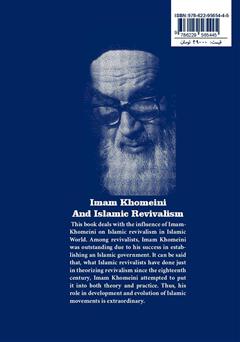
This book deals with the influence of ImamKhomeini on Islamic revivalism in Islamic World. Among revivalists, Imam Khomeini was outstanding due to his success in establishing an Islamic government. It can be said that, what Islamic revivalists have done just in theorizing revivalism since the eighteenth century, Imam Khomeini attempted to put it into both theory and practice. Thus, his role in development and evolution of Islamic movements is extraordinary.
Imam Khomeini formed and developed the Velayat-e Faqih theory in political, social, and governmental dimensions, which was different from the most of his predecessors. He believed to exclusive right of the ulama in political administration of the Islamic countries. He also was the first jurist to call for establishment of Islamic government and made it a must for both ulama and individuals (Khomeini, 2005). He also represented an absolute dimension of authority and guardianship for the jurist as a leader of Islamic community. Imam Khomeini in his juridical and political works illuminated that only governance of jurist is legitimate and acceptable form of government in the occultation era.
در بخشی از کتاب Imam Khomeini And Islamic Revivalism (امام خمینی و احیاگرایی اسلامی) میخوانیم:
Islamic revivalism and the cultural, intellectual, political, and social movement has rooted in the eighteenth century. The doctrine of pure Islasm and primary Sunnah possess the elements of civilization making such as: emphasize on intellectual, knowledge, unity, the culture of hard working, equality and justice. In fact, Islam is not just a religion; Islam is the creator and the eternal essence of a world-wide civilization with a long history, which in the past was dominated by the expansion of the realm to half the world, and in terms of science and knowledge, and culture was richer than the West. Culture and civilization are exported from the East to the West.
Now the question is that, what has happened for the Islamic world, why they has stagnated and degenerated in the present day? It should be noted that, an investigation on this issue shows that the factors that led to this slump has been occurred due to both the internal elements and the external factors.